Disclosure: This article contains affiliate links. As an Amazon Associate and partner with other affiliate programs, we earn from qualifying purchases at no additional cost to you. We only recommend products we genuinely believe in. Learn more.
Is It Safe to Travel Internationally in 2026? A Realistic Assessment
Every year, travelers ask this question, and every year, the answer requires context. There is no single “yes” or “no” because international travel safety depends on where you go, how you travel, what risks you are willing to accept, and what precautions you take.
Here is a realistic, data-backed assessment for 2026.
The Short Answer
For most destinations, yes , international travel in 2026 is safe. The global tourism industry is larger than it has ever been, with over 1.5 billion international tourist arrivals expected in 2026. The vast majority of those trips happen without incident.
That said, the world is not uniformly safe, and certain risks are elevated in 2026 compared to previous years. Understanding those risks , and preparing for them , is the difference between naive optimism and informed confidence.
Current Risk Landscape for 2026
Geopolitical Risks
Several regions have improved security concerns in 2026:
- Eastern Europe/Russia-Ukraine border region: Active conflict zone. Avoid travel to Ukraine and border regions of Russia.
- Middle East: Parts of the region have improved tensions. Israel, Lebanon, Syria, Yemen, and Iran carry higher risk. Jordan, Oman, UAE, and Qatar remain safe and welcoming to tourists.
- Sahel region of Africa: Mali, Burkina Faso, Niger, and parts of northern Nigeria have significant security concerns.
- Myanmar: Civil conflict makes most of the country unsafe for tourism.
Perspective: These conflict areas affect a small percentage of the world’s countries. The other 170+ countries that welcome tourists are operating normally.
Health Risks
Post-pandemic travel has largely normalized. As of 2026:
- Most countries have dropped COVID-related entry requirements
- Routine vaccinations remain important for certain destinations (yellow fever for parts of Africa and South America, Japanese encephalitis for rural Asia)
- Malaria prevention is still necessary for parts of sub-Saharan Africa and Southeast Asia
- Travel-specific health risks (altitude sickness, food and waterborne illness, insect-borne diseases) are manageable with preparation
Natural Disaster Risks
Climate patterns are creating more extreme weather events. In 2026:
- Hurricane season (June-November) affects the Caribbean, Gulf Coast, and parts of Central America
- Monsoon season impacts South and Southeast Asia (timing varies by country)
- Earthquake zones include Japan, Indonesia, parts of South America, and the Pacific Ring of Fire
- Wildfire seasons are more intense in Mediterranean Europe, Australia, and western North America
None of these risks are new, but their intensity and unpredictability have increased. Checking seasonal weather patterns before booking is more important than ever.
The Safest Destinations in 2026
Based on the Global Peace Index, crime statistics, healthcare access, and infrastructure quality, these destinations consistently rank as the safest for international tourists:
Tier 1: Exceptionally Safe
| Country | Why It’s Safe |
|---|---|
| Iceland | Near-zero violent crime, excellent healthcare, stable politics |
| Japan | Extremely low crime, outstanding infrastructure, cultural respect for visitors |
| Singapore | Very low crime, world-class healthcare, efficient systems |
| New Zealand | Low crime, strong emergency services, welcoming culture |
| Portugal | Low crime, good healthcare, tourist-friendly infrastructure |
| Switzerland | Extremely low crime, excellent everything, higher cost |
| Denmark | Low crime, world-class healthcare, well-organized society |
Tier 2: Very Safe
| Country | Notes |
|---|---|
| South Korea | Low crime, excellent infrastructure, language barrier manageable |
| Taiwan | Very low crime, friendly to tourists, good healthcare |
| Canada | Safe overall, weather extremes are the main risk |
| Australia | Safe in cities and tourist areas, wildlife awareness needed in the outback |
| Czech Republic | Low crime, well-developed tourist infrastructure |
| Slovenia | Very safe, uncrowded, excellent infrastructure for its size |
| Oman | One of the safest Middle Eastern countries, welcoming culture |
How to Assess Safety for Your Specific Destination
Step 1: Check the US State Department Travel Advisory
The State Department assigns each country a level from 1 to 4:
- Level 1 , Exercise Normal Precautions: The baseline. Most developed countries fall here.
- Level 2 , Exercise Increased Caution: Be more aware. This includes many popular destinations (Mexico, India, France , often due to terrorism risk or petty crime).
- Level 3 , Reconsider Travel: Significant risks. Consider whether your trip is worth the elevated danger.
- Level 4 , Do Not Travel: Active conflict, severe crime, or other extreme conditions.
Important context: A Level 2 advisory does not mean a country is unsafe for tourists. France has been Level 2 for years due to terrorism risk, and millions of tourists visit safely every year. Read the specific advisory text, not just the level number.
Step 2: Check Country-Specific Risks
For each destination, research:
- Crime: What types of crime affect tourists? (Usually petty theft, not violent crime)
- Health: Are vaccinations required? Is tap water safe? What is hospital quality?
- Natural: Is your travel period during a risky season (hurricane, monsoon, wildfire)?
- Political: Is there political instability or civil unrest? Are protests common?
- Infrastructure: How reliable are roads, transport, and emergency services?
Step 3: Register with STEP
The Smart Traveler Enrollment Program (STEP) is free and takes 5 minutes. Register your trip at travel.state.gov and the US Embassy in your destination country will:
- Send you safety updates about your destination
- Contact you in an emergency
- Help your family reach you if needed
Real vs. Perceived Risk
One of the biggest obstacles to international travel is the gap between perceived and actual risk. Media coverage amplifies dramatic events (terrorism, plane crashes, kidnappings) while ignoring the far more common mundane risks.
Actual leading risks for international travelers:
- Road traffic accidents (the number one killer of travelers globally)
- Food and waterborne illness
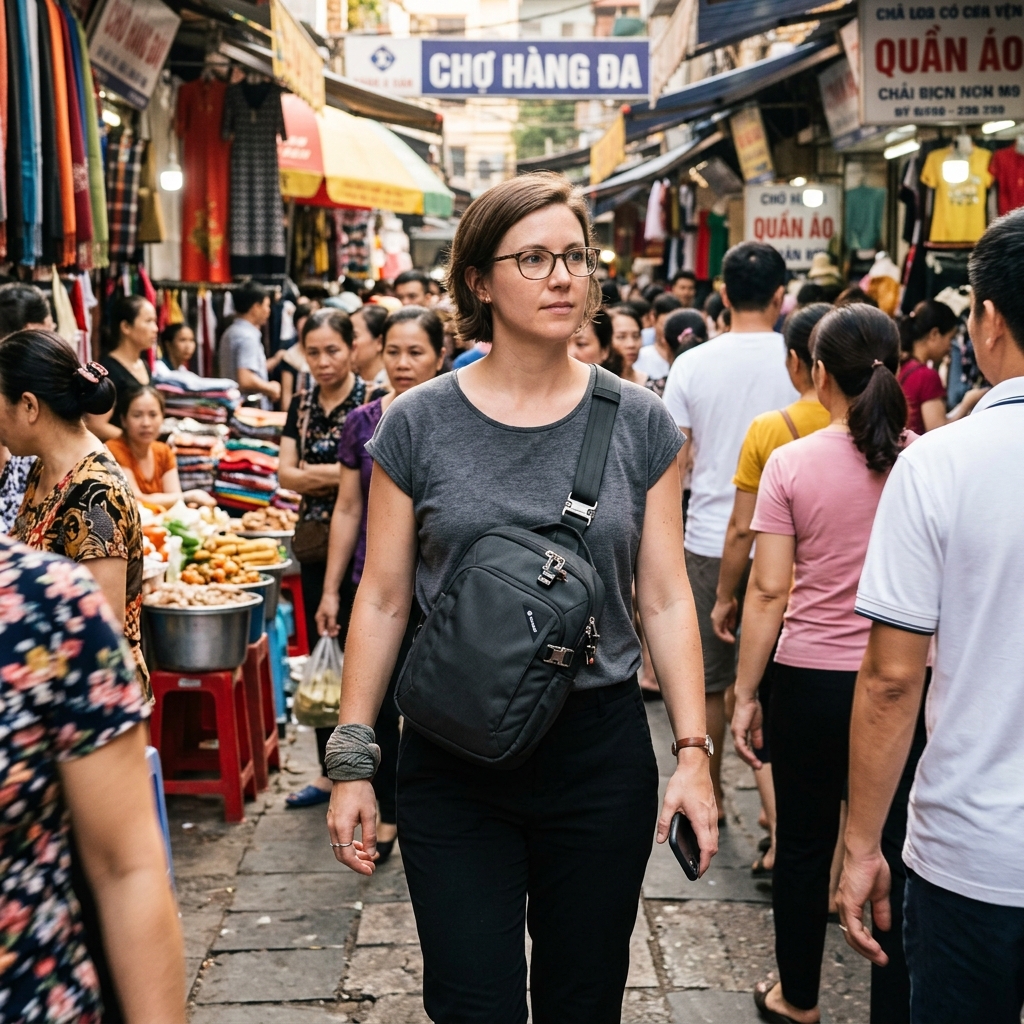
- Petty theft (pickpocketing, bag snatching)
- Alcohol-related incidents
- Sunburn and heat-related illness
Risks that get the most attention but are statistically rare:
- Terrorism
- Violent crime targeting tourists
- Kidnapping
- Plane crashes
- Exotic disease outbreaks
This does not mean rare risks should be ignored , it means preparation should prioritize the common ones. Wearing a seatbelt, eating carefully, keeping valuables secure, moderating alcohol, and wearing sunscreen do more for your safety than worrying about terrorism.
Essential Safety Preparations for 2026
Before You Leave
-
Buy travel insurance , covers medical emergencies, evacuation, trip cancellation, and theft. Non-negotiable for international travel.
-
Register with STEP , free safety updates and embassy assistance.
-
Copy important documents , email copies of your passport, insurance card, credit cards, and itinerary to yourself and a trusted contact at home.
-
Research your destination , State Department advisories, common scams, health requirements, and emergency numbers.
-
Get necessary vaccinations , visit a travel clinic 4-6 weeks before departure.
-
Inform your bank , prevent your cards from being blocked.
While Traveling
-
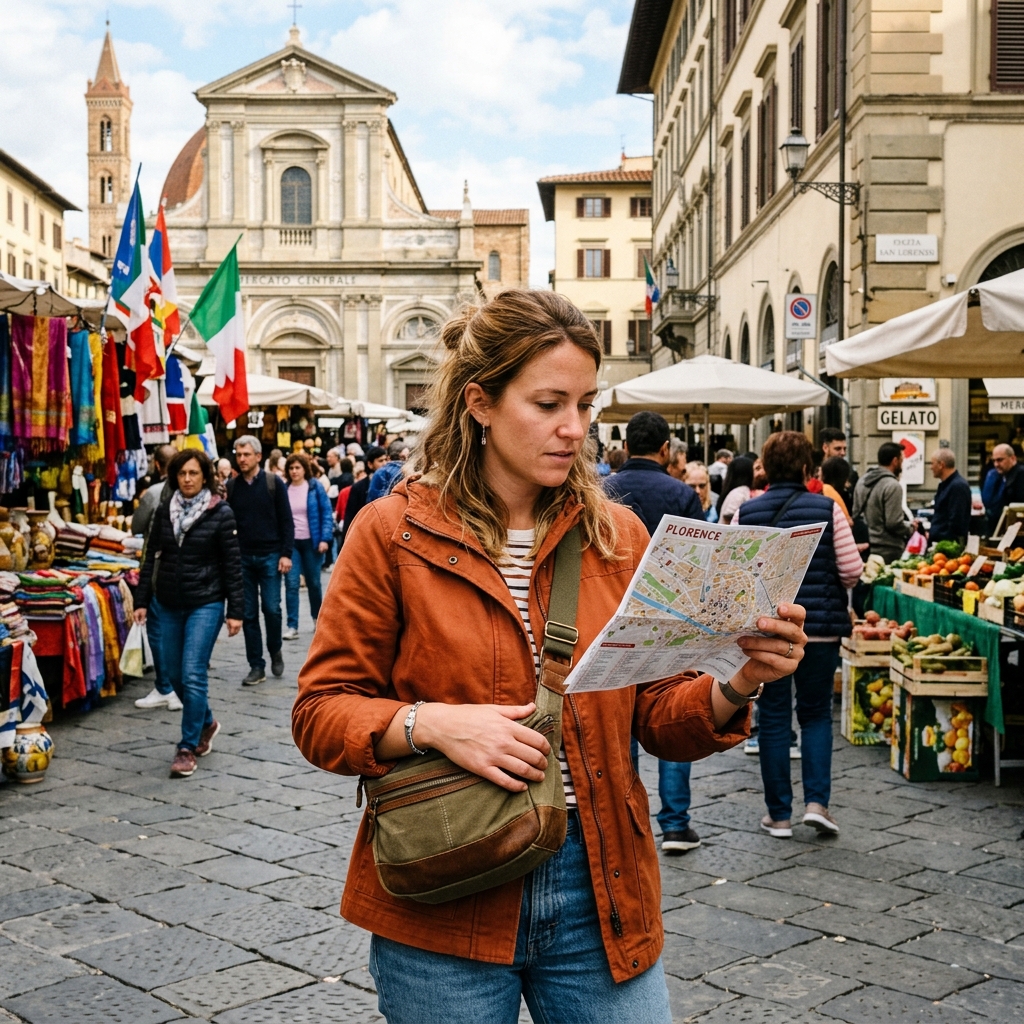
Stay aware of surroundings , especially in crowded tourist areas, transport stations, and at night.
-
Keep valuables distributed , do not carry all cash and cards in one place.
-
Use reputable transport , ride-hailing apps, official taxis, and public transit.
-
Trust your instincts , if something feels wrong, leave. Being rude is better than being victimized.
-
Stay connected, a working phone with data (eSIM) is your most important safety tool: maps, translation, communication, and emergency calls.
-
Moderate alcohol consumption, a significant percentage of tourist incidents involve excessive drinking.
Emergency Preparedness
- Know the local emergency number (112 in Europe, 110/119 in Japan, 000 in Australia)
- Know the location of the nearest US Embassy or Consulate
- Keep your travel insurance emergency number accessible offline
- Have a plan for lost/stolen passport (embassy replacement process)
The Perspective Check
More than 1.5 billion international trips happen each year. The overwhelming majority are safe and uneventful. You are statistically safer flying to most international destinations than driving on a US highway on a Saturday night.
International travel in 2026 is safe for prepared, informed travelers. The key word is prepared. Not fearless, not reckless, not naive, prepared. Know the risks, take reasonable precautions, buy insurance, and then go. The rewards of seeing the world vastly outweigh the risks for anyone who takes basic steps to protect themselves.
The most dangerous thing about international travel might be not going, and missing everything the world has to offer because the news made it seem scarier than it is.
We evaluate destinations and travel services independently. To learn more about our editorial standards, read our Editorial Policy.

Editorial Team
The Best Travel Guides editorial crew writes every guide on this site under a team byline. Recommendations come from comparing product specs side by side, digging through traveler communities like r/onebag, r/travel, and r/WaltDisneyWorld, and weighing large volumes of verified user reviews. When we cite prices or policies, we link to the official source.

Join the Conversation